PARTICIPANT RETENTION AND ACCESSIBILITY APP
An app for Princeton Consumer Research participants to sign up for studies, find their participant history, and contact a recruiter with ease.
Case Study
Individual Research & Design for Princeton Consumer Research
Year
2023-2024
Role
UX Researcher & Designer
PROJECT OVERVIEW
Aiming to revolutionize the way research participants engage with and manage their involvement in research studies. By seamlessly integrating features such as storage for informed consent forms, appointment reminders, payment history, and direct messaging with recruiters to help empower participants with greater control and convenience throughout their research journey.
PROBLEM
PCR’s web application is mixed use for both clients and participants to acquire information about each study; They can apply to participate or have their product tested if they are cosmetic product owner. The current web application has confusing scientific language as it is client focused. There are currently no resources for participants to view previous research history, payments, or adjust their participant preferences with PCR. Currently, PCR does not have an app so participants are only able to call in and once they’ve arrived, all forms are pen and paper.
GOAL
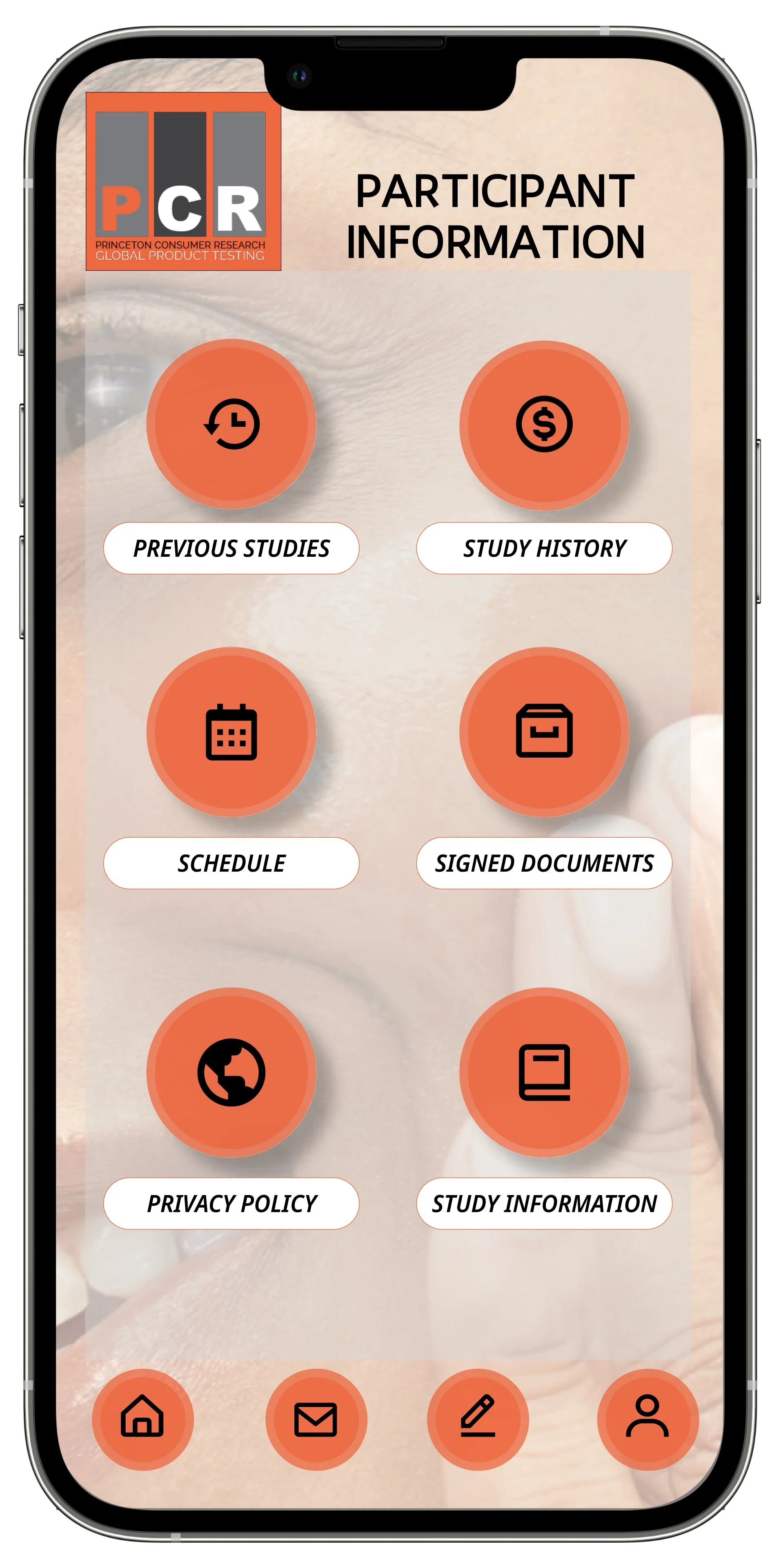
Produce an app for participants to view their personal documents and history. Participants should be able to chat live with a recruiter, adjust their study preferences, and navigate their participation history.
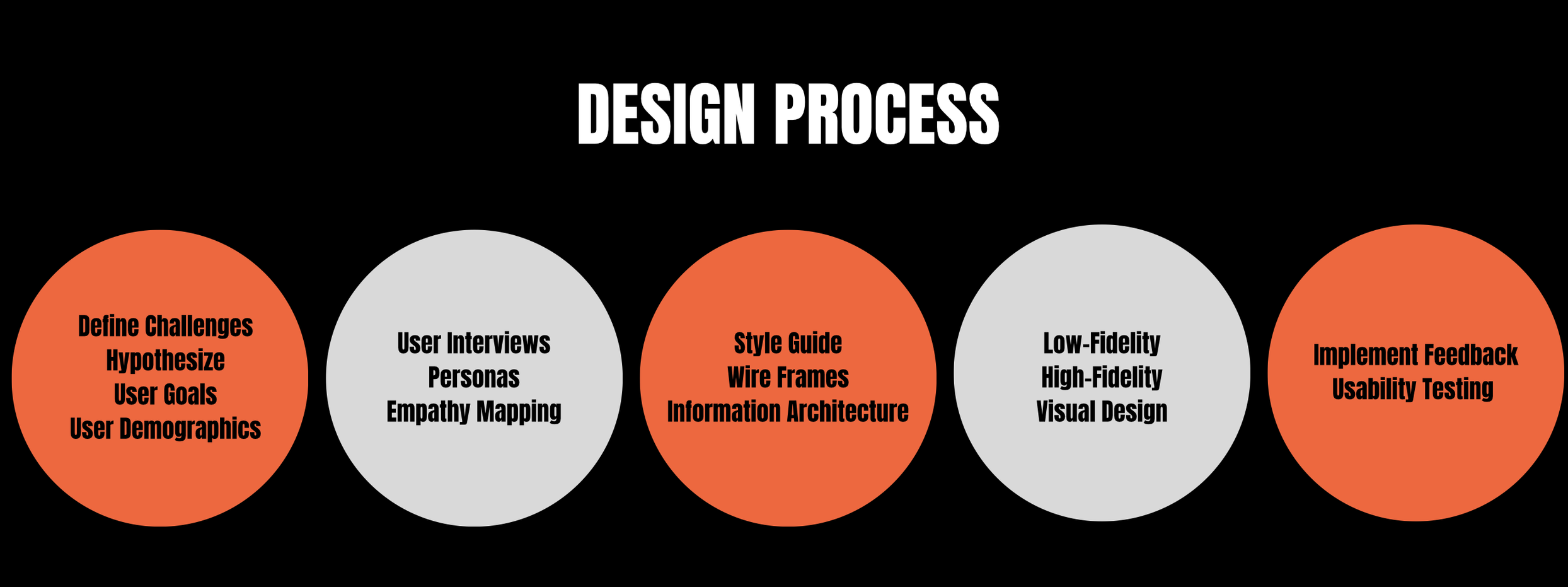
USer Research
For this project, I conducted user interviews and survey sessions.
I interviewed a total of 30 participants. Twenty were current or former PCR participants who completed both a user survey and an in-person interview. The remaining ten were non-PCR individuals recruited as potential future participants; these individuals completed in-person interviews only.
HIghLight 1
The mean PCR participant history with PCR was 3.2 years.
HIghLight 2
100% PCR Participants currently have no access to their PCR history.
61% stated they learned about PCR via a friend. 0% stated they had seen a PCR advertisement.
HIghLight 3
HIghLight 4
More than 60% stated they have participated in less than 5 studies.
Ouch. Pain points.
Research participants have no access to previous study history or payments.
1.
Participants must call Princeton Consumer’s recruiter to communicate any concerns or questions. There is no voicemail and many participants call at once when they receive a new study email or if changes have been made to a study, which makes it difficult to connect with someone.
2.
Princeton Consumer’s website is client-driven. Many webpages or information pages are a mix of both client and participant information, which may appear confusing, unappealing, and frustrating to navigate both as a new and returning participant.
3.
Research findings
What Users Are Looking For
Access to compensation history
90%
Tracking participation
95%
Access to study history
80%
App platform access to study enrollment
82%
Appointment reminders
85%
Online/platform live chat
75%
Where it’s falling apart
Difficulty managing participation history
75%
Difficulty accessing personal information
75%
Unhappy with scheduling
60%
Miscommunication
45%
What does this tell us about the user?
User research revealed a need for a digital platform for Princeton Consumer Research’s participants, compared to the current system. Participants consistently expressed a desire for enhanced accessibility to their payment information, past studies, and upcoming appointments, with over 80% indicating that these features held significant importance to them. Simultaneously, numerous users reported frequent issues with the existing process, including missed or canceled appointments, challenges in obtaining timely responses, and frustration experienced when scheduling appointments through calls and emails. These disruptions have resulted in unnecessary travel and uncertainty regarding their participation. Overall, the findings suggest that users are seeking a more dependable and self-directed approach to managing their engagement with the company.
USER PERSONAS
Samantha

The superhero mom
Age
41
Marital status
Single, 2 daughters
occupation
CNA
education
High School Diploma
goals
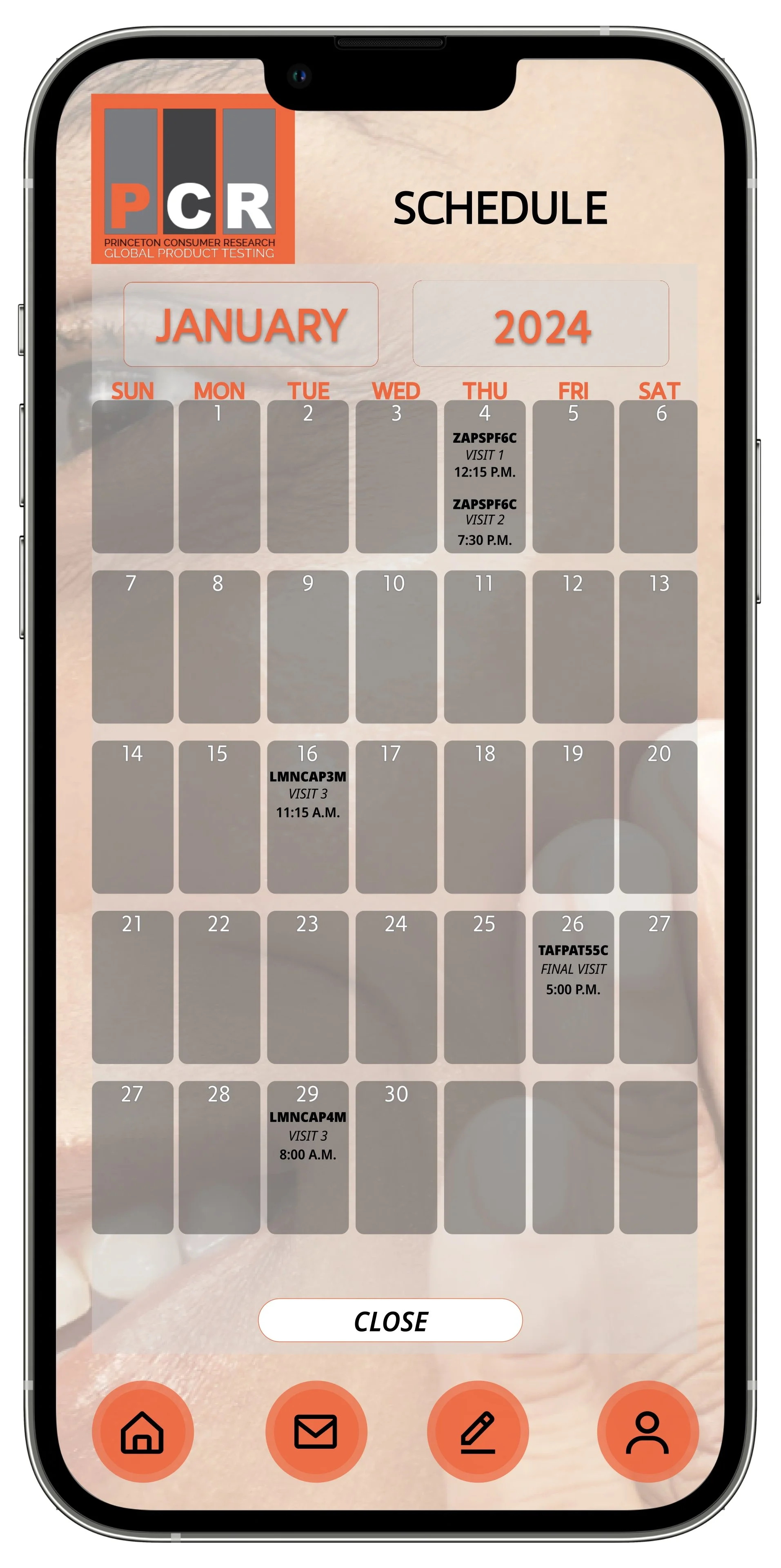
Ability to sign up for studies and search for past and future studies. She would like to message a recruiter her questions or concerns instead of calling the clinic to connect with someone. Since she is an active participant, she hopes to have payment and documentation history in the palm of her hand.
Frustrations
Sam receives quite a lot of emails, so she often misses the emails from PCR regarding studies. Studies often drop participants once capacity is met, and becomes disappointed she must call the clinic to find out. Every tax season, she must also call or drive to the clinic to retrieve financial paperwork.
Samuel

the impatient student
personality
goals
Age
23
Marital status
occupation
Married
education
Unemployed
Enrolled Graduate Student
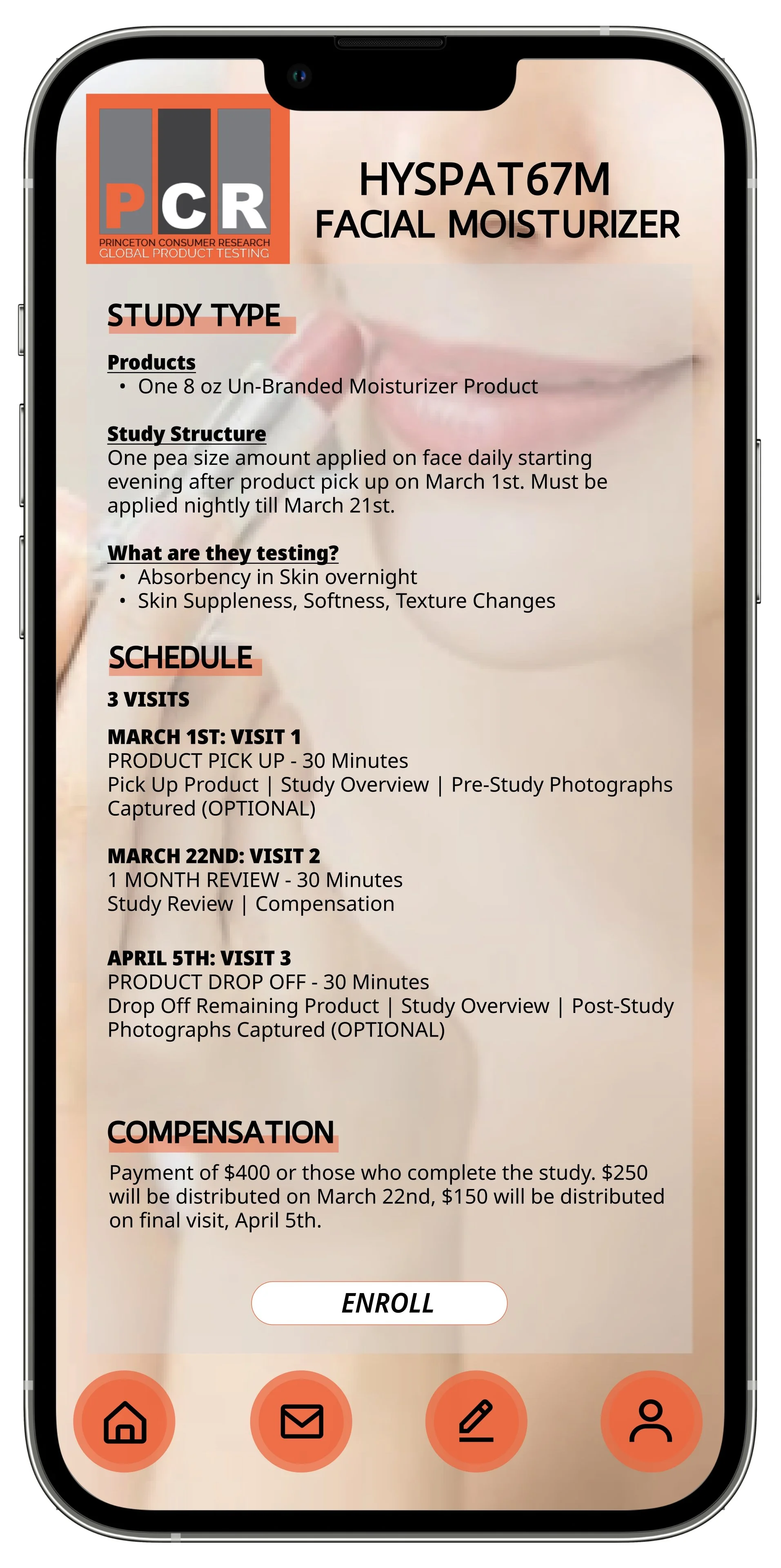
Samuel, a busy student, prefers online platforms to complete consent forms and review study documents. He seeks a flexible system that allows him to independently enroll or withdraw from studies.
Frustrations
Samuel finds it frustrating he must sign paperwork or review the study details for 30 minutes prior to each study. He participates for date night and utility bill money, so when he quickly wants to sign up for a study he finds himself searching in his email for 45 minutes.
personality
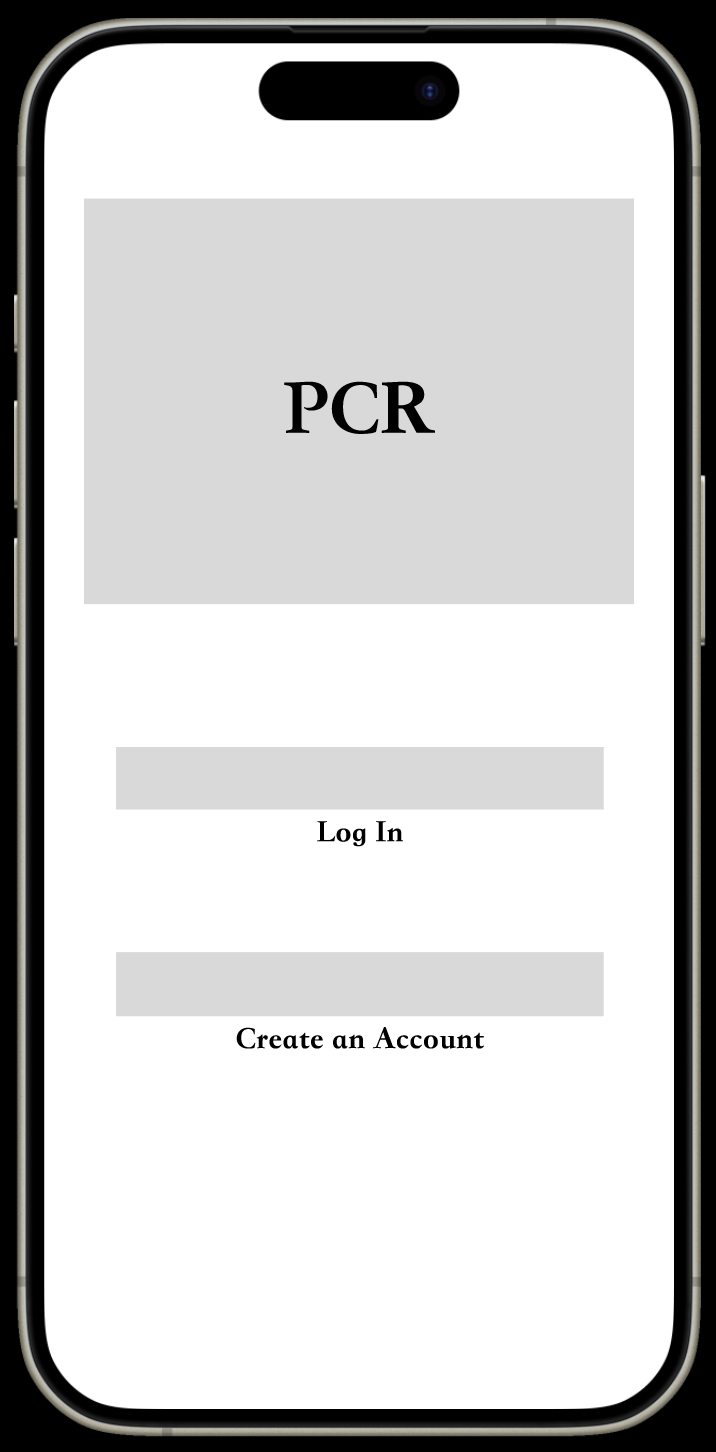
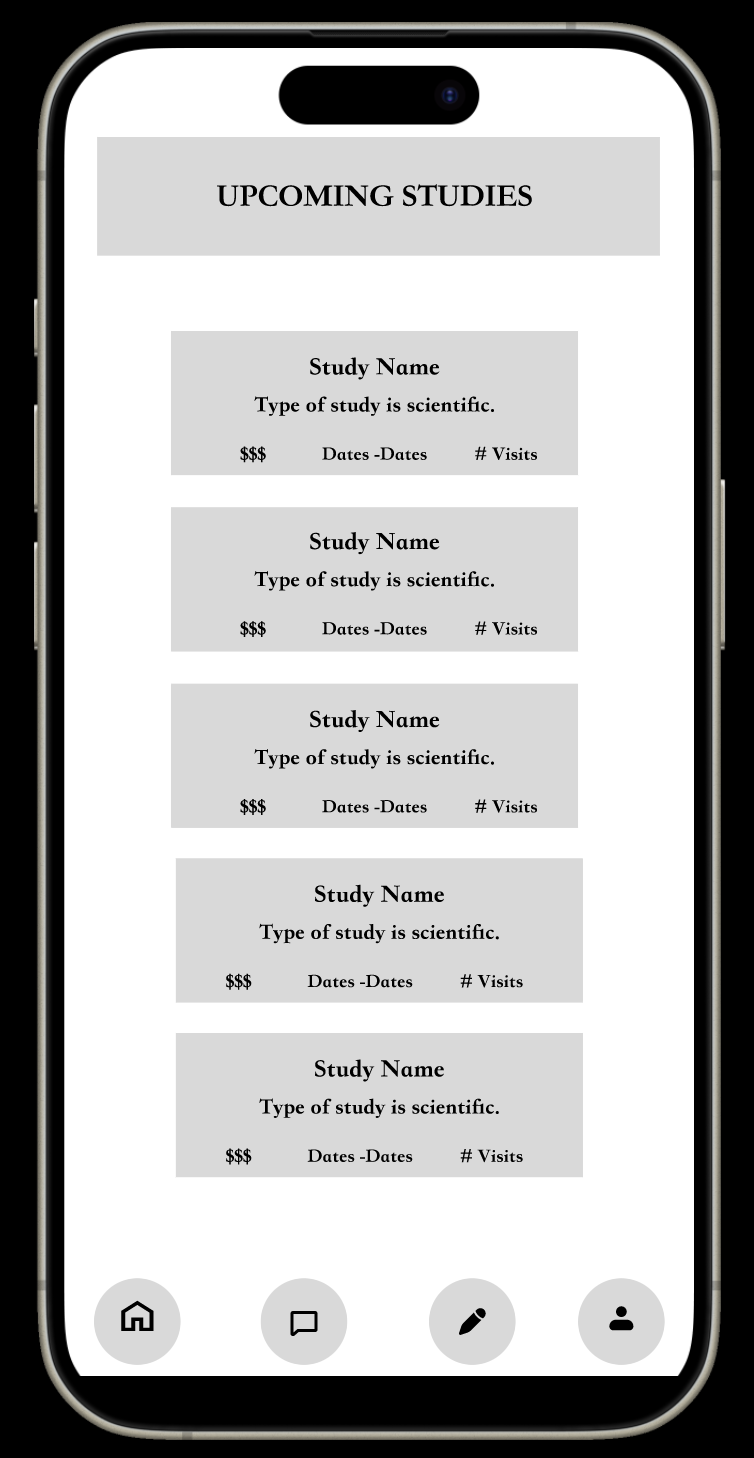
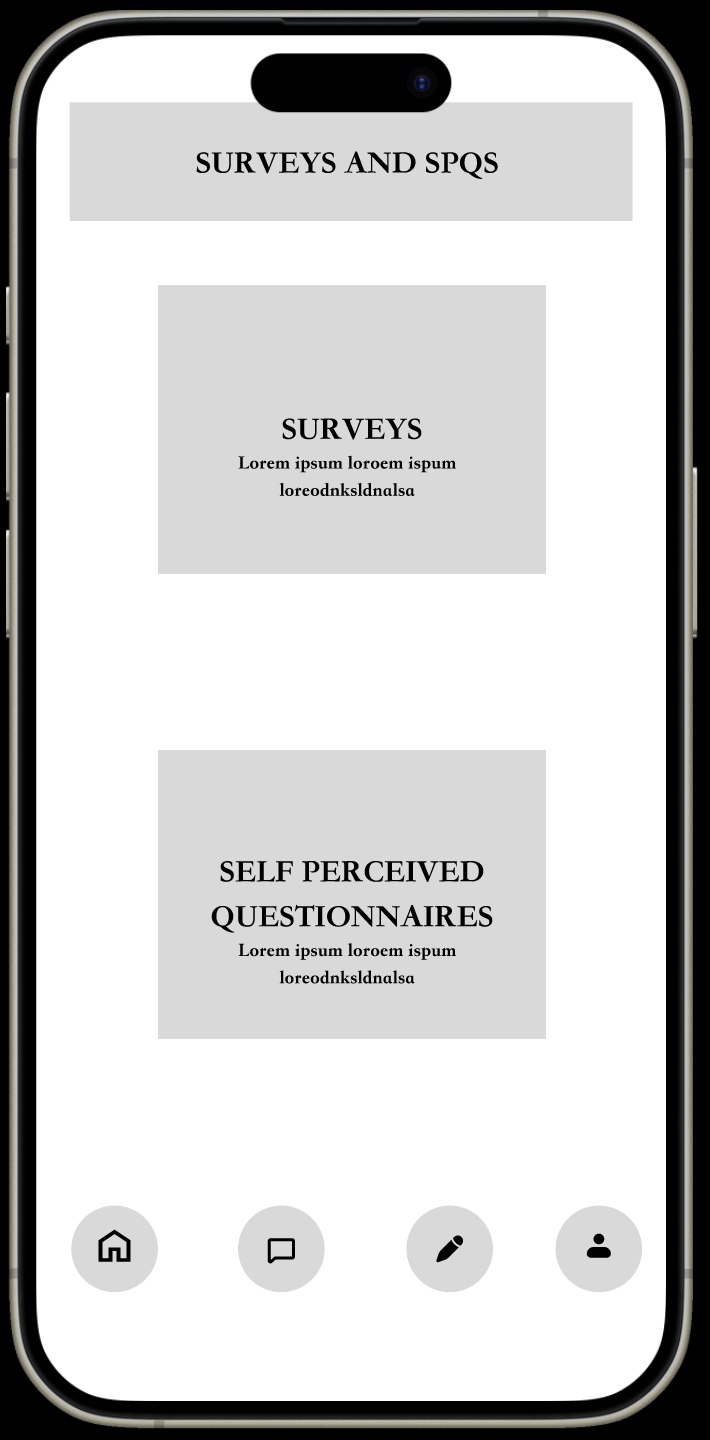
Low-FIDELITY WIREFRAMES
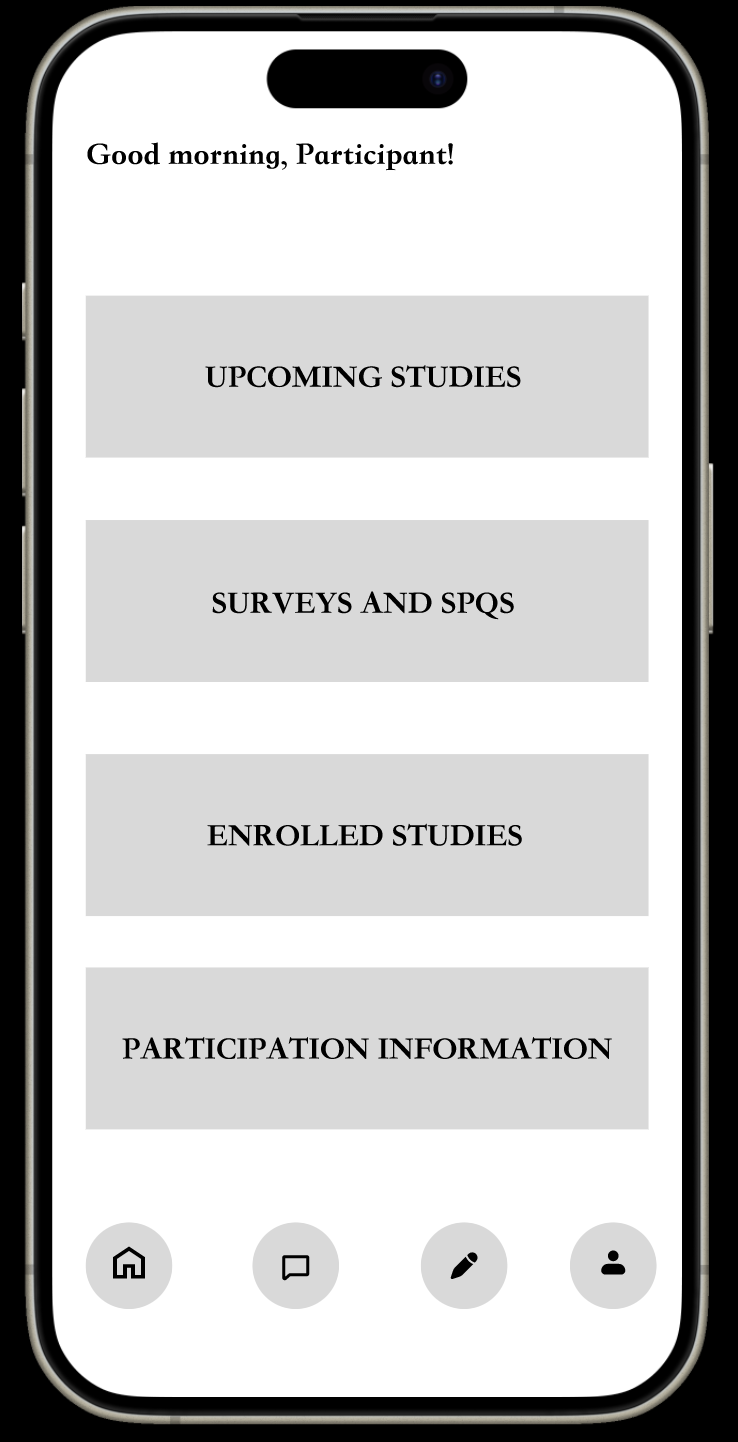



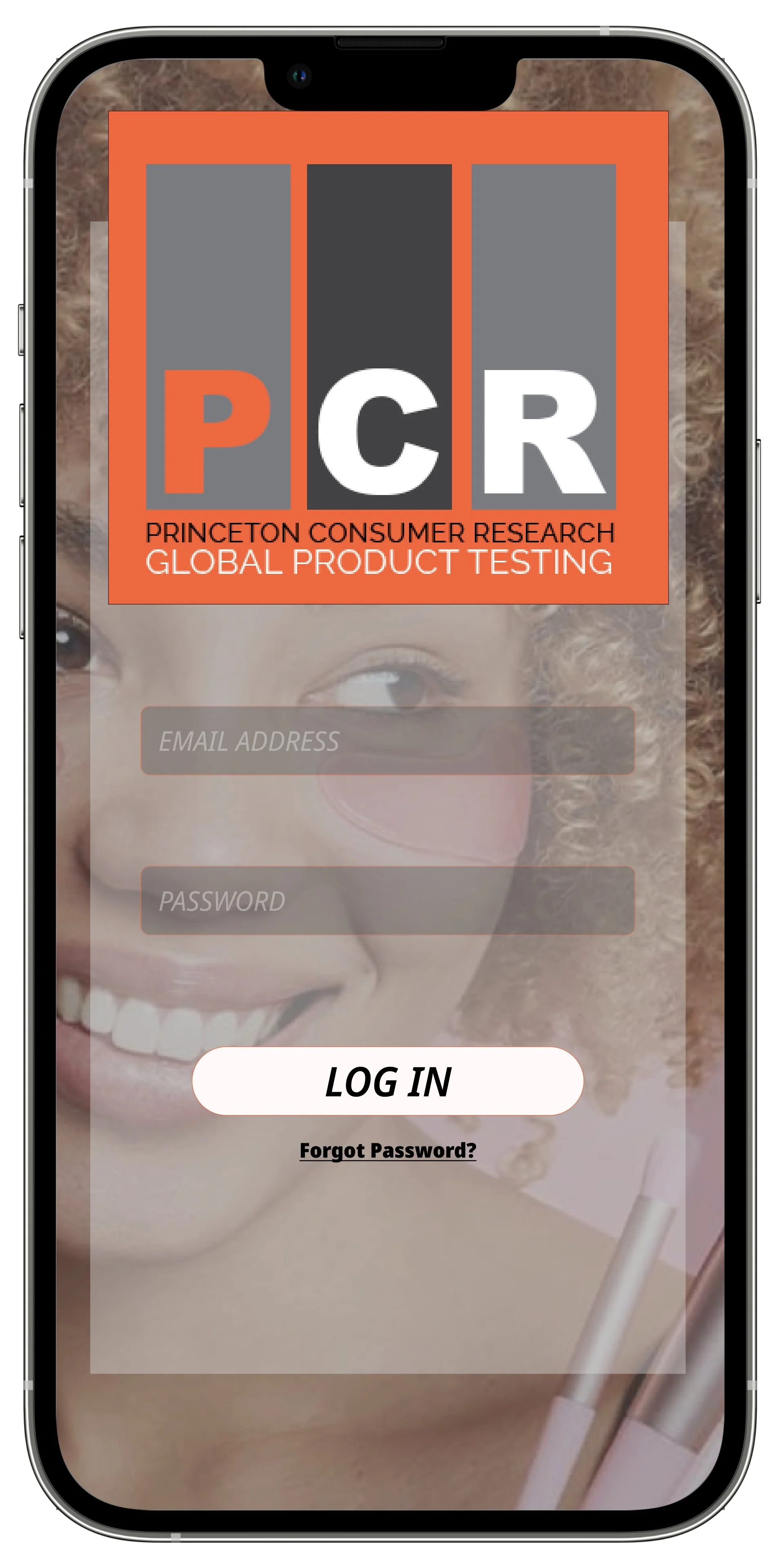
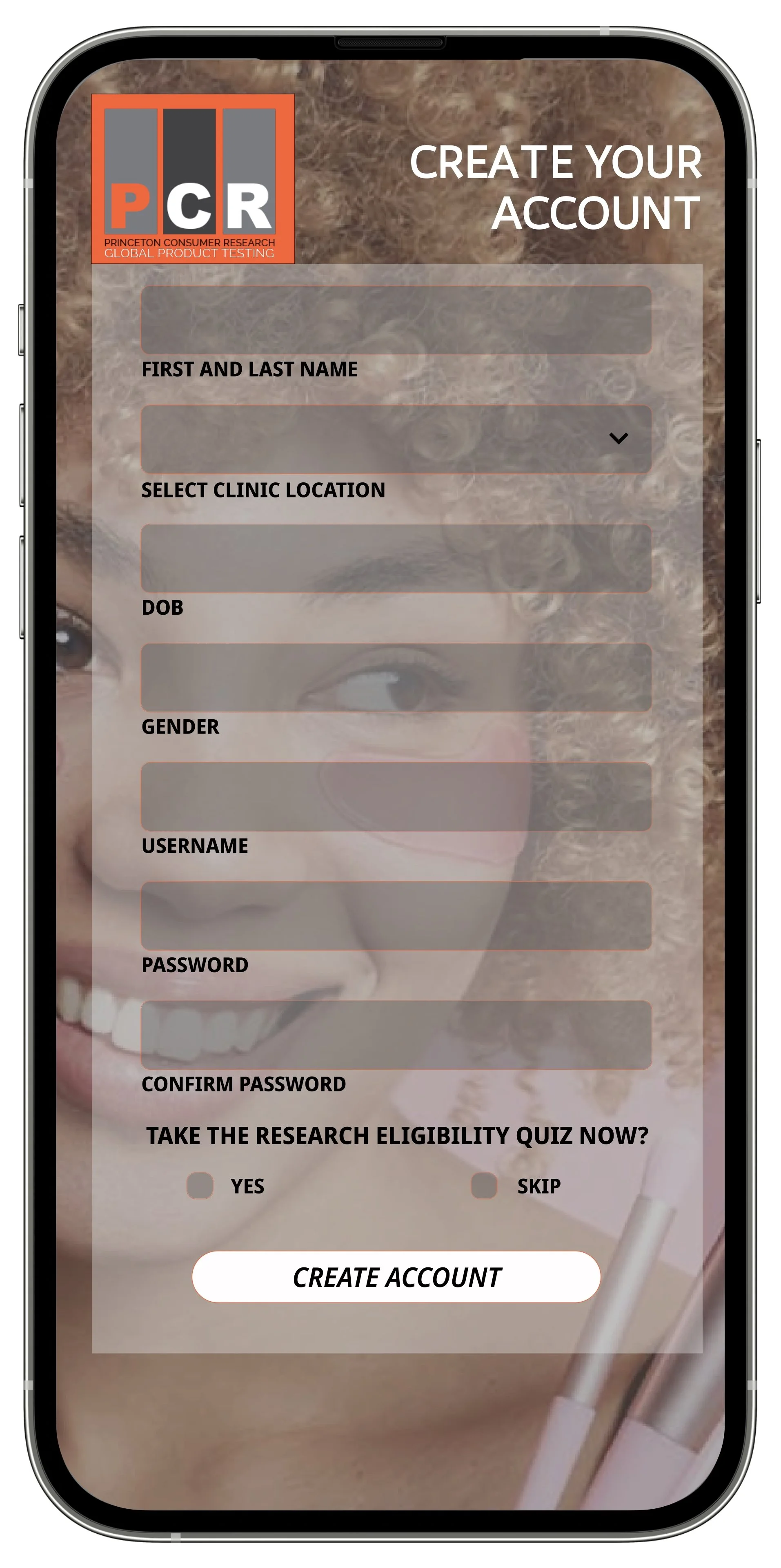
High-FIDELITY WIREFRAMES





FEEDBACK & USABILITY
Usability testing revealed significant improvements in the user experience, with participants noting that they could now easily find all of their documents within the app. Clear navigation pathways, intuitive labeling, and streamlined workflows reduced confusion and frustration. Users appreciated the profile feature that tracked their personal metrics which added a fun element to the app as well as the simplified layout, which allowed them to access important information quickly and independently. Feedback highlighted that the enhanced organization and visibility of documents not only saved time but also boosted user confidence in managing their tasks without assistance.